Our Trip to Kenya in October 2026
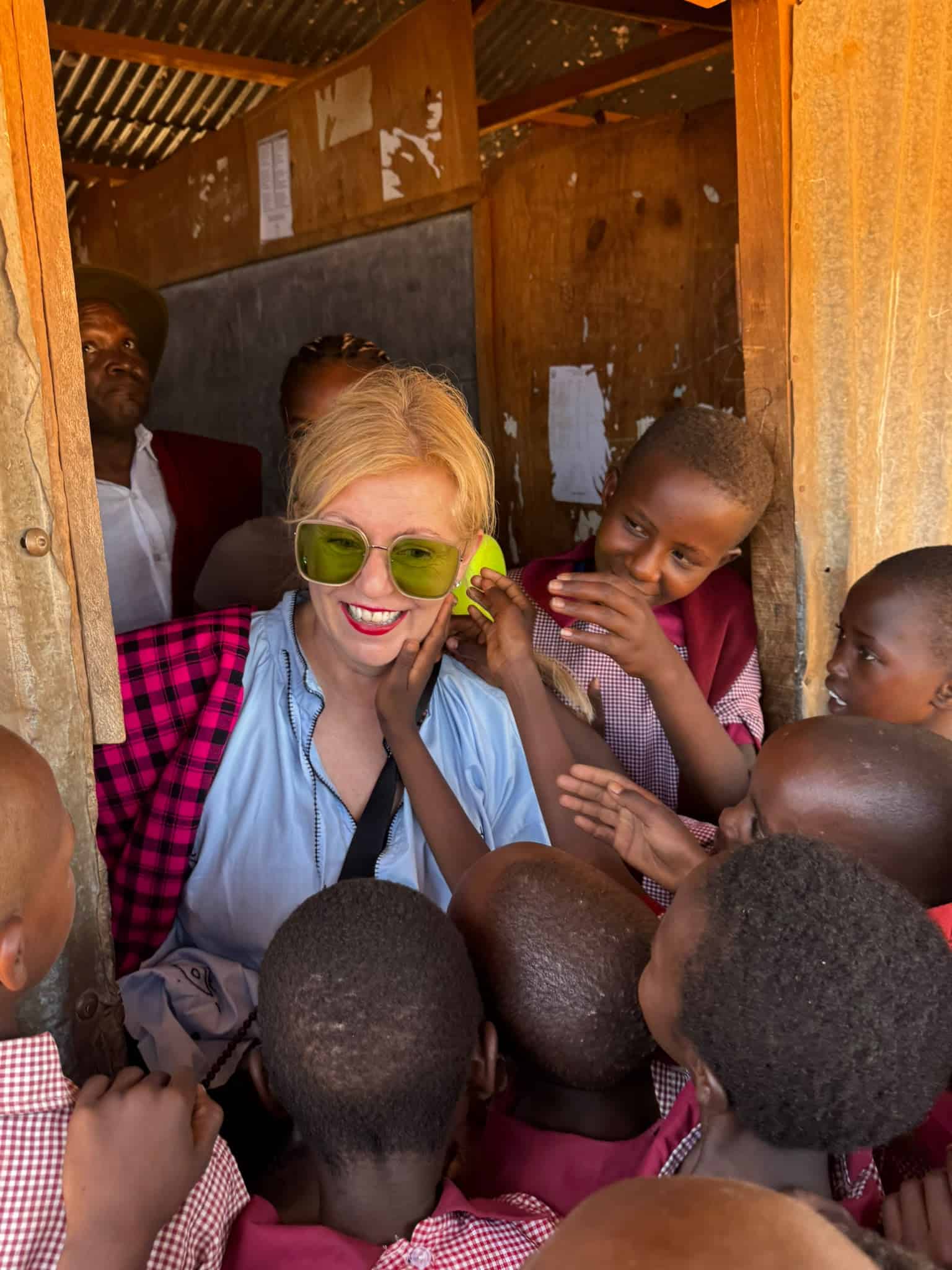
We’ve had an intense week full of encounters, moving stories, and new insights. Our visit to the schools and communities supported by the WeCare-Association has shown us once again how much we can achieve together—and how urgently our help is still needed.
Education Opens Doors
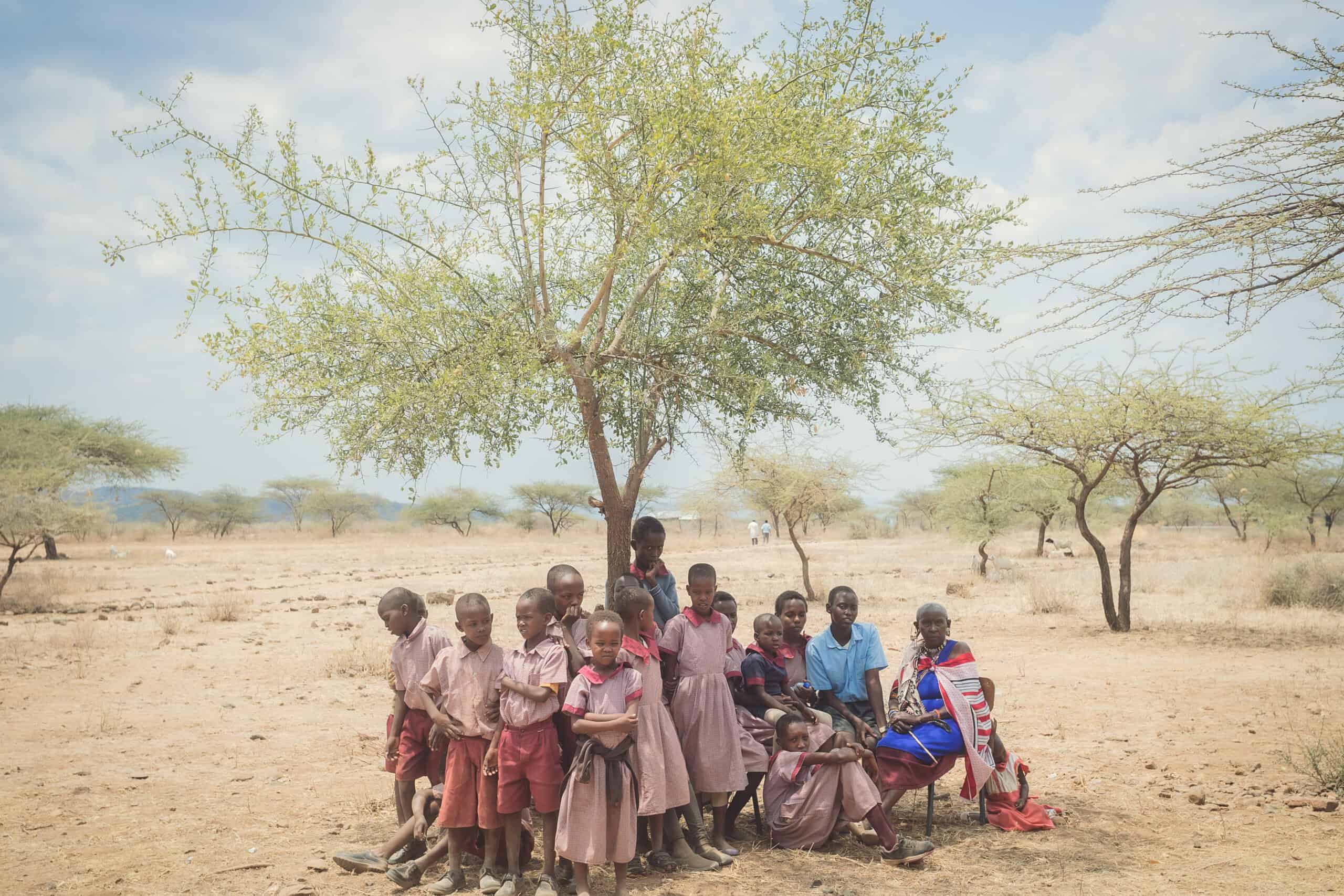
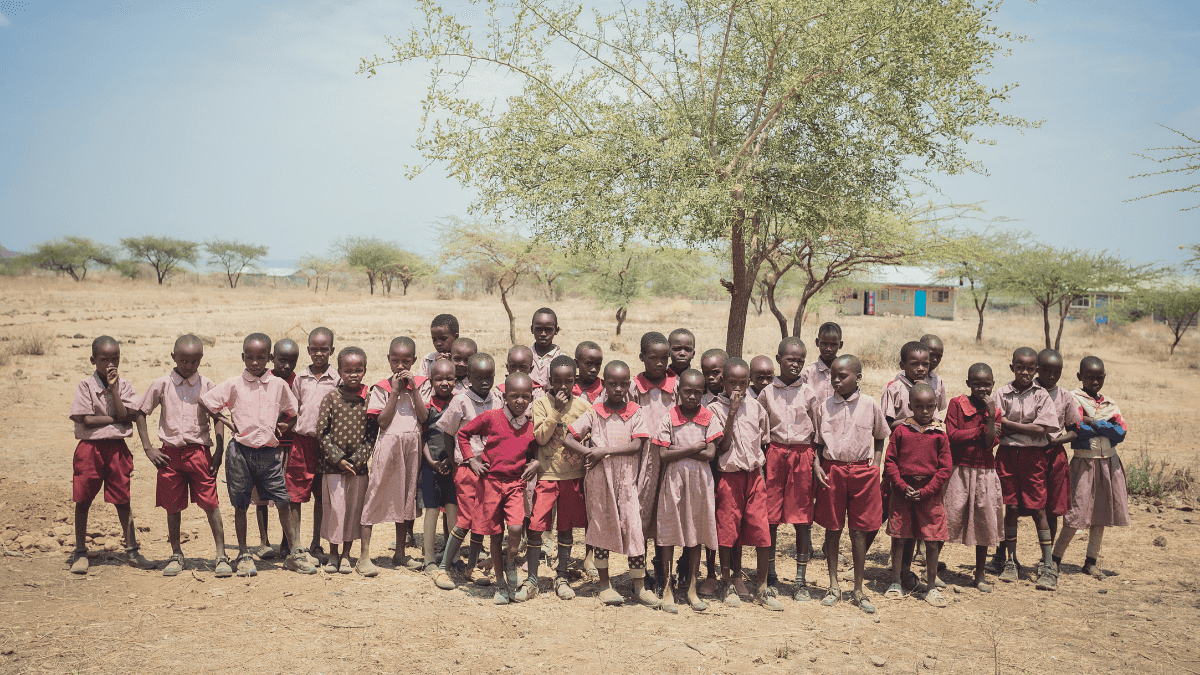
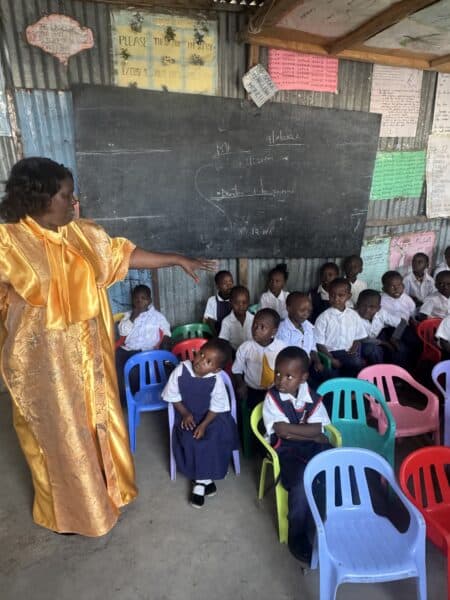
During our school visits in Rehoboth, Mperrishi, and Emboliei, we met children who, despite extremely difficult living conditions, are eager to learn, and teachers who are deeply committed to their students.
These three schools alone now have 949 students —significantly more than two years ago.
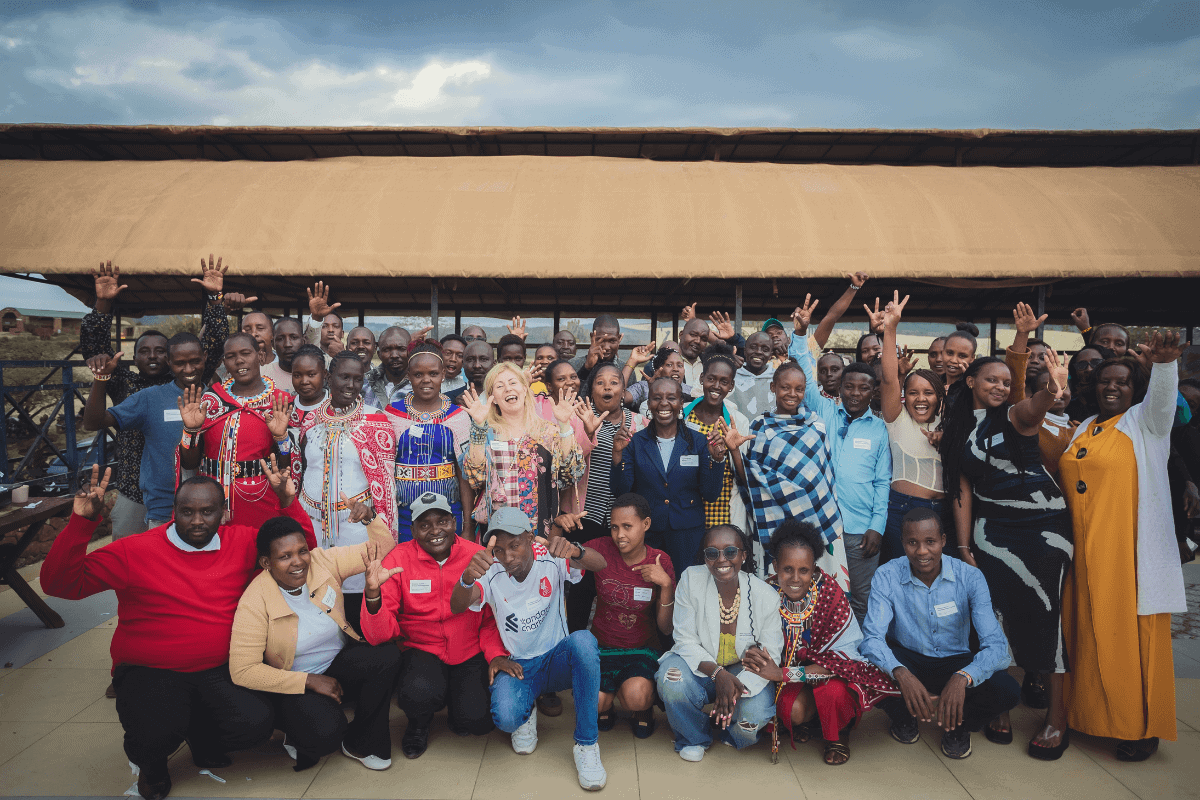
A particular highlight was this year’s teacher seminar , held under the theme “Better Teaching – Stronger Schools.” Together with the participating teachers, we explored new teaching methods, positive discipline, and the challenges of everyday school life.
Through the participating teachers, the ideas shared will potentially reach around 2,500 children, including the students at our three partner schools.
Mperrishi: When Water Becomes a Matter of Survival
Our visit to Mperrishi, a remote Maasai community that is regularly visited and supported by the WeCare-Association, was particularly memorable.
The water shortage there has worsened dramatically. The waterhole, which is normally about a 30-minute walk from the village, has completely dried up. People now have to walk for several hours to find water.
Our attempt to drill a well this spring had to be abandoned due to difficult geological conditions. However, we are continuing to work on a viable solution.
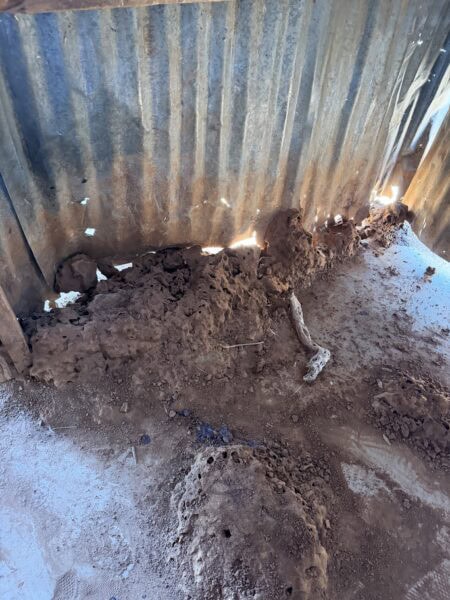
We are also very concerned about the school buildings. Five classrooms made of corrugated metal are in poor condition. Termites, animals getting inside, and extreme temperatures are making it increasingly difficult to hold classes safely.
The construction of five sturdy classrooms and a long-term solution for the water supply are therefore among our top priorities.
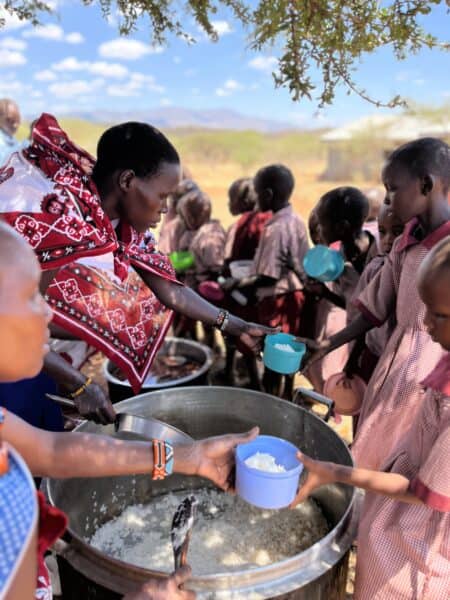
Hunger must not be a barrier to education
During our trip, we realized once again how closely nutrition and education are linked.
In some of the communities we visited, there isn’t enough food three to four days a week. Many children come to school hungry; others don’t attend class at all.
A regular school meal, therefore, means far more than just a full bowl of food. It provides an important incentive for attending school and helps the children concentrate on their lessons.
Access to clean water, latrines, and soap is also completely inadequate in many places. These basic needs will shape our work even more strongly in the future.
Empowering Women – Supporting Families
In addition to schools, we focus particularly on women in the communities.
Our women’s workshop focused on sharing experiences, practical knowledge, and opportunities for economic independence.
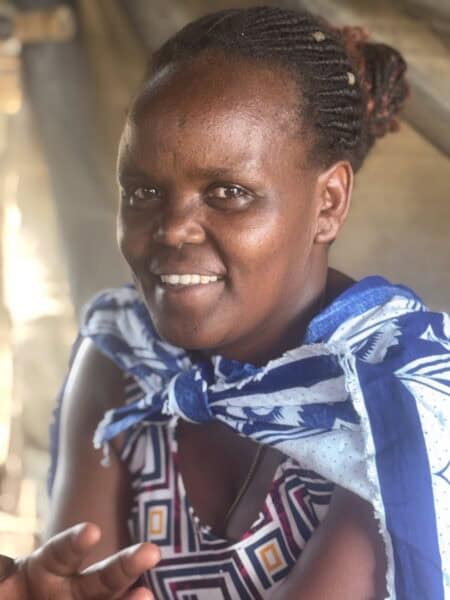
Purity Kayiao showed us just how much initiative is possible even under the most difficult conditions. She runs a small restaurant in a simple Maasai hut and earns a living by preparing and selling chapati and tea.
Encounters like these encourage us not only to support women with relief supplies but also to open up new economic opportunities for them.
Listen, understand, and find solutions together
Our journey has also brought to light issues that we have not paid enough attention to until now. This includes, in particular, the situation of people with disabilities, who are rarely seen in public in their communities.
We want to better understand what kind of support they and their families need.
At the same time, our conversations with teachers, parents, and local leaders have shown us how important our regular presence is. Trust isn’t built overnight, but through ongoing collaboration.
Together, we can make a difference
We’re returning with many wonderful memories—but also with the realization that there is still a great deal of work to be done.
The progress made in recent years is encouraging: More children are gaining access to education, teachers are refining their teaching methods, and women are gaining new opportunities.
But without water, adequate nutrition, and safe school buildings, these achievements remain at risk.
With your support, we can continue this work.
Whether you support us in building new classrooms, providing access to water, or feeding schoolchildren: Every contribution helps to improve people’s living conditions in a sustainable way.
Thank you so much for being a part of our work!
Would you like to learn more?
In our detailed travel report from October 2026, you’ll find more insights into our visits to schools and communities, our personal encounters, and our upcoming projects.
Help us give the gift of a future!
With your donation, you help provide school meals, clean water, and safe classrooms.